Teacher Stuff SVG PNG: A Designer’s Real-World Review
As an embroidery designer who has spent years digitizing patterns and testing them on everything from delicate baby onesies to heavy canvas tote bags, I approach every new digital asset with a critical eye. We often browse marketplaces looking for the next big seller or the perfect accent for a client’s custom order. Recently, I downloaded Teacher Stuff SVG PNG to evaluate its potential in real-world applications. This isn’t just about whether the file opens correctly; it is about how the design translates from a screen to a needle-and-thread reality. For craft business owners, Etsy sellers, and hobbyists, understanding the practical nuances of a graphic before you stitch it can save hours of frustration and ensure a high-quality finished product.
First Impressions and Visual Personality
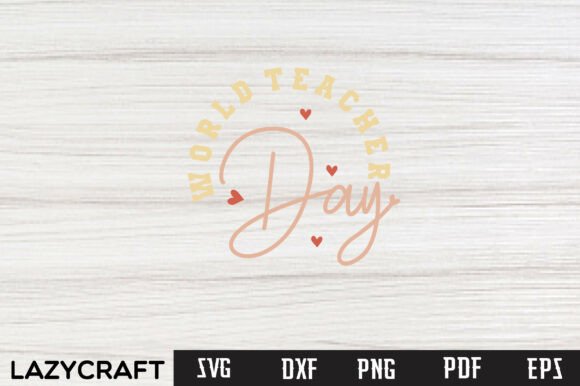
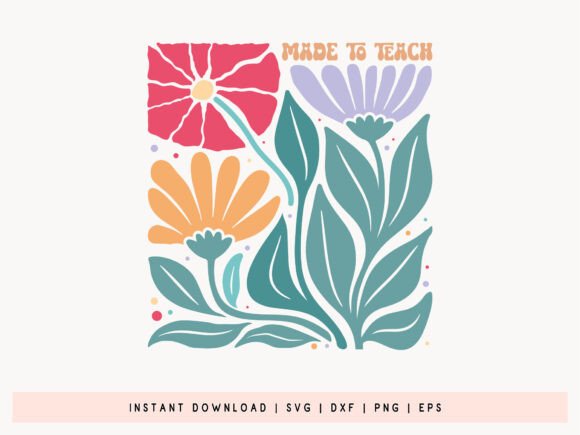
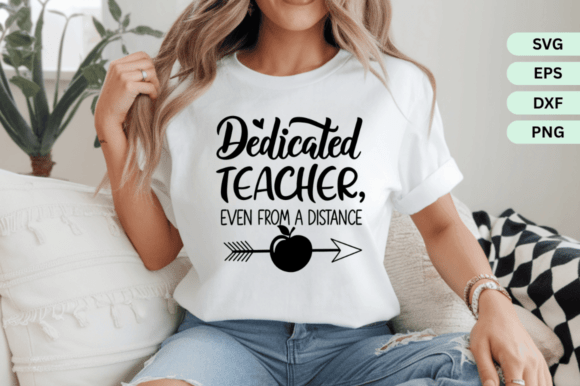
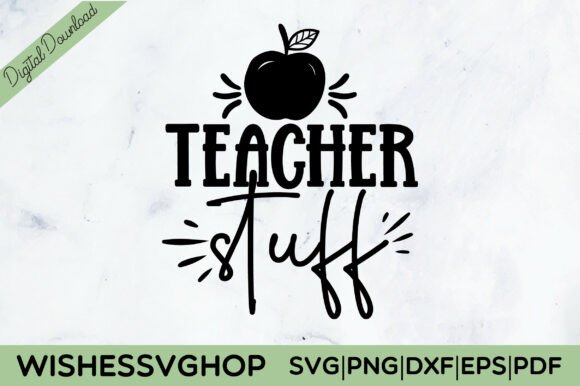
When I first unzipped the folder and loaded the SVG into my design software, the immediate impression was one of clarity and thematic relevance. The title, Teacher Stuff, suggests a playful, appreciative nod to educators, a demographic that consistently drives sales in the personalized gift market. The layout appears balanced, avoiding the clutter that often plagues lower-quality graphics. For embroidery, clean lines are non-negotiable. Complex, messy vectors result in erratic stitching paths, thread breaks, and puckered fabric. This design seems to prioritize legibility, which is crucial when you are working with thread rather than ink.
The mood created by this graphic is professional yet approachable. It fits squarely into the category of Crafts and Graphics that appeal to people who value both aesthetics and sentiment. Whether you are creating a end-of-year gift for a favorite educator or stocking your small shop with teacher-themed merchandise, the visual personality here is versatile. It does not scream for attention with overly aggressive details but offers a solid foundation for customization.
Real-World Application: The Custom Tote Bag Test
To truly evaluate Teacher Stuff SVG PNG, I imagined a specific scenario: a custom embroidered tote bag for a school faculty lounge. Tote bags are a staple for handmade products because they are practical, visible, and offer a large, flat surface area. In this context, the design needs to hold up against the texture of canvas or cotton duck fabric.
Using this SVG as a base for machine embroidery requires careful consideration of stitch types. If the design includes solid shapes, I would likely convert those areas to a fill stitch with appropriate underlay to prevent shifting. For any text or linear elements, a satin stitch might provide that premium, raised look that customers associate with high-quality custom apparel. However, if the lines are too thin, a running stitch might be more appropriate to avoid bulk. The key is adapting the digital embroidery file to the physical constraints of the hoop size and fabric texture.
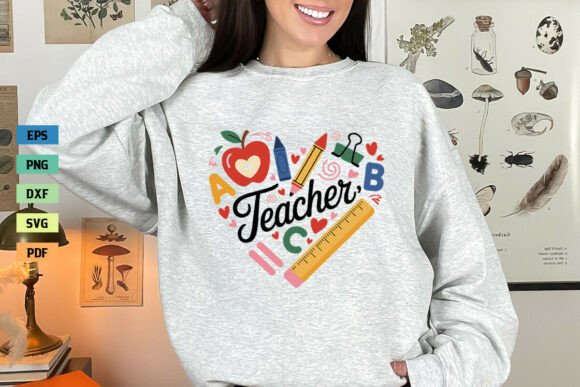
I also considered using this design on a sweatshirt. Sweatshirt embroidery is tricky because the fleece backing can cause sinking, where the stitches disappear into the fabric. With Teacher Stuff SVG PNG, I would recommend using a cutaway stabilizer to provide permanent support. The design’s simplicity works in its favor here; it doesn’t require thousands of stitches that could make the garment stiff and uncomfortable. Instead, it offers a stylish accent that enhances the garment without overwhelming it.
Navigating Technical Challenges
While the design shows promise, there are areas where caution is necessary. Any experienced embroidery project reviewer will tell you that not every graphic works on every surface. If you plan to use this on curved surfaces, such as caps or hats, you must check the width of the design against your cap frame. Wide designs can distort when stitched on a curved brim. Similarly, if the graphic contains tiny lettering or intricate corners, these details may get lost when scaled down for a baby embroidery project, such as a onesie or bib.
Fabric choice plays a massive role in the outcome. On dark fabric, you need to ensure your thread colors have enough contrast. A light-colored thread on a navy polo shirt looks crisp, but if the design relies on subtle shading, it might vanish. I always advise testing the design on scrap fabric first. Check the stitch density. If the SVG converts to a very dense pattern, it could perforate thin fabrics like linen tea towels or lightweight cotton shirts. In such cases, reducing the density in your digitizing software or choosing a heavier fabric like denim or canvas is essential.
Another consideration is washability. Teacher gifts and apparel are often washed frequently. A poorly stabilized design can pucker or unravel after a few cycles. By using proper stabilizer and ensuring your tension is correct, you can ensure that the finished product remains intact and professional-looking, maintaining customer trust and brand consistency.
Commercial Viability and Brand Consistency
For Etsy sellers and small shop owners, the commercial viability of a design is paramount. Teacher Stuff SVG PNG taps into a evergreen niche. Teachers receive gifts year-round, from back-to-school season to holidays and retirement. Having a reliable, clean design in your library allows you to create various products quickly. You can use it for aprons, pillow covers, or even as part of a larger collage for a quilt block.
However, before listing items for sale, you must confirm the licensing terms. The product description notes that this is an instant download containing SVG files. It is vital to read the specific license included in the zip folder. Some designers allow commercial use for physical items but restrict the resale of the digital file itself. Ensuring you are compliant protects your craft business from legal issues and builds professionalism.
From a branding perspective, consistency is key. If your shop specializes in minimalist, modern designs, this graphic fits well. If your brand is more whimsical or vintage, you might need to adjust the thread colors or combine it with other elements to match your aesthetic. Using printable mockups with this design can help you visualize how it looks on different products before you commit to stitching, saving time and materials.
Practical Designer Notes for Best Results
To get the most out of Teacher Stuff SVG PNG, follow these practical steps:
- Test on Scrap Fabric: Always run a test stitch-out on the same type of fabric you intend to use for the final product. This reveals issues with tension, density, and registration.
- Check Thread Contrast: View your design in black and white to ensure the shapes are distinct. If elements blend together, adjust your thread colors or simplify the design.
- Verify Hoop Size: Ensure the design fits within your machine’s hoop dimensions, especially if you are working with smaller hoops for patches or pockets.
- Inspect Small Details: Zoom in on the SVG in your software. Look for nodes or points that might cause the needle to jump or thread to break. Clean up any unnecessary points before converting to an embroidery file.
- Use Proper Stabilizer: Match your stabilizer to your fabric. Use tear-away for stable woven fabrics and cut-away for stretchy knits like t-shirts and sweatshirts.
- Confirm Licensing: Read the included license agreement carefully to understand your rights regarding commercial embroidery and digital product sales.
In conclusion, Teacher Stuff SVG PNG is a solid addition to a designer’s toolkit. It offers the flexibility needed for various handmade products, from personalized gifts to boutique merchandise. By approaching it with a technical mindset—considering stitch types, fabric textures, and stabilizer choices—you can transform a simple graphic into a high-value embroidered item. For the modern maker, success lies not just in having the right file, but in knowing how to execute it with precision and care.