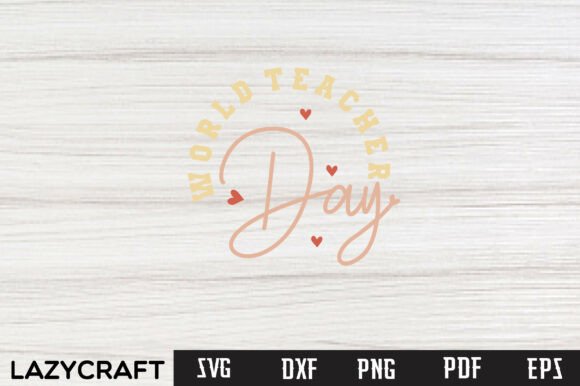
Review: WORLD TEACHER DAY Svg Design for Embroidery
As a designer who spends more time staring at stitch simulations than I do sleeping, I have learned that not all digital files are created equal. Some look fantastic on a screen but turn into a tangled mess under the needle. Others lack the structural integrity needed for commercial sales. When I pulled up the WORLD TEACHER DAY Svg Design for a recent client project, my initial goal was simple: determine if this asset could hold its own in a professional embroidery project. What I found was a versatile graphic that, with the right technical approach, offers significant value for Crafts enthusiasts and serious Etsy seller accounts alike.
First Impressions and Visual Personality
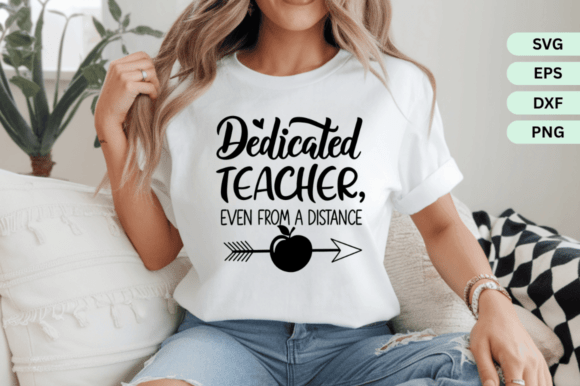
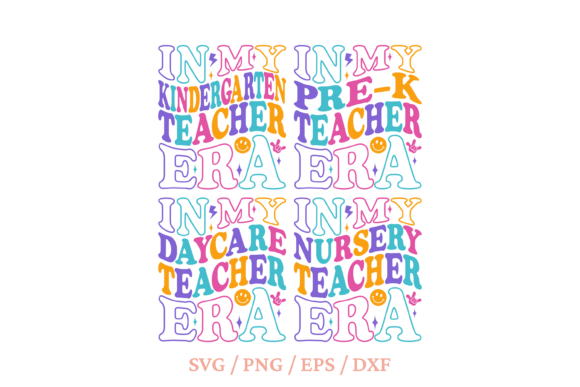
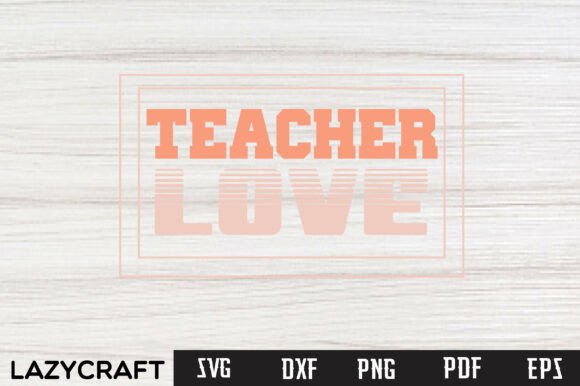
The first thing that strikes you about this design is its clarity. In the world of Graphics, clutter is the enemy of quality, especially when translating vector lines into thread. This design avoids unnecessary complexity, focusing instead on bold, readable typography and balanced spacing. The mood is appreciative and professional, making it an ideal candidate for personalized gift items that need to feel thoughtful rather than generic.
From a layout perspective, the composition feels stable. For embroidery designers, this is crucial. Unbalanced designs can cause hoop burn or fabric distortion if one side is significantly denser than the other. While I cannot confirm the exact stitch density without running the file through my digitizing software, the visual weight suggests a moderate fill that should perform well on standard cotton blends. It does not scream "high-density fill," which is a relief for anyone working with lighter fabrics.
Real-World Application: The Tote Bag Test
To truly evaluate a file, you must imagine it stitched out. I envisioned this design on a canvas tote bag design intended for a local school’s end-of-year appreciation event. Canvas is forgiving, but it requires clean edges to look professional. Because this is a digital embroidery file provided in layers, it offers a distinct advantage: control.
The "Word By Layer" structure mentioned in the product description allows for precise color changes and sequencing. If I were stitching this on a tote, I could isolate specific elements to ensure proper registration. For instance, if the design includes both text and iconography, being able to adjust the order prevents the needle from jumping unnecessarily across the hoop, reducing thread waste and production time. This level of customization is vital for a craft business where efficiency directly impacts profit margins.
Beyond the Tote: Apparel and Accessories
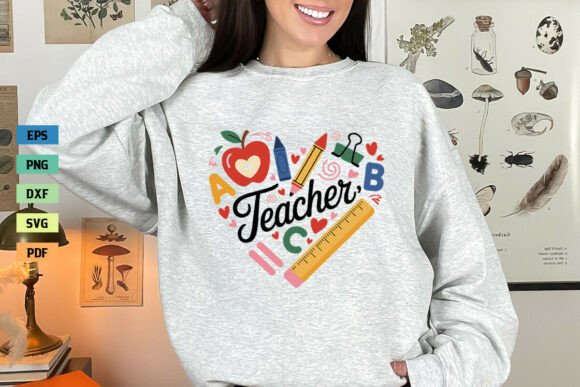
While totes are a safe bet, the real test is apparel. Imagine this as sweatshirt embroidery on a heather grey crewneck. The contrast potential here is high. Using a bright thread color against a muted fabric background would make the message pop. However, sweatshirts have texture. A design with too much fine detail might get lost in the fleece. This design’s bold nature suggests it would remain legible even on textured surfaces, provided the stitch type—whether satin stitch for borders or fill stitch for larger areas—is optimized for pile fabric.
For baby embroidery projects, such as a onesie or a soft blanket, caution is required. Babies have sensitive skin, and heavy stitching can feel scratchy. If this design is used for infant items, I would recommend scaling it down and ensuring that any internal details are simplified to reduce the number of stitch starts and stops. A smooth backside is non-negotiable for custom apparel meant for little ones.
Technical Considerations for Stitchers
Before you load this into your machine, there are practical steps every professional should take. The product description notes that you receive 20 SVG files in a zip archive. It is important to remember that SVGs are vector graphics, not native embroidery formats like PES or DST. You will need to import these into your digitizing software to convert them into a usable embroidery file.
This conversion step is where the magic—and the potential pitfalls—happen. Here is my checklist for using this design effectively:
- Check Stitch Density: When digitizing, ensure the density is appropriate for your fabric. Too dense, and the fabric will pucker; too sparse, and the backing will show through.
- Select the Right Stabilizer: For stretchy fabrics like t-shirts, a cut-away stabilizer is essential to prevent distortion. For woven fabrics like aprons or tea towels, a tear-away may suffice.
- Test on Scrap Fabric: Never run a new design on your final product without a test stitch-out. Check for thread breaks, nesting, and alignment.
- Verify Hoop Size: Ensure the scaled design fits comfortably within your hoop, leaving at least an inch of margin around the edges to avoid hoop marks on the finished piece.
Navigating Fabric and Color Challenges
One of the strengths of this design is its adaptability to different thread colors. However, contrast is key. On dark fabrics, you will need bright, high-visibility threads. On light fabrics, you have more freedom, but be wary of using white thread on white fabric unless you are aiming for a subtle, tonal look. In that case, varying the sheen of the thread (e.g., matte vs. rayon) can add depth.
Be cautious with curved surfaces like caps. Embroidering on a cap requires a specialized hoop and often a stiffer stabilizer. The design’s layout must be centered perfectly, as any deviation is highly visible on a structured hat. If the design includes small text, ensure it remains legible at the smaller scale typically used for headwear.
Commercial Viability and Brand Consistency
For small shop product creators, consistency is brand currency. Using a well-structured design like this helps maintain a professional appearance across your inventory. Whether you are creating holiday embroidery gifts in December or teacher appreciation items in May, having reliable assets streamlines your workflow.
Furthermore, the ability to create printable mockup images before stitching saves time and materials. By importing the SVG into design software, you can visualize how the finished product will look on various items. This allows you to market your items more effectively on platforms like Etsy, giving customers a clear expectation of the final result.
Licensing and Usage Rights
A critical note for commercial users: always verify the licensing terms. While the product description indicates it is a digital download for crafting, selling finished physical items is generally permitted in most craft-focused marketplaces. However, reselling the digital file itself is strictly prohibited. Always read the specific license included in your download to ensure compliance, especially if you are operating a high-volume commercial embroidery service.
Final Verdict
The WORLD TEACHER DAY Svg Design is a solid addition to any designer’s library. It is not just a pretty picture; it is a functional asset that, when handled with technical care, produces high-quality results. Its layered structure offers flexibility, its bold aesthetic ensures readability, and its theme taps into a consistent market demand for personalized appreciation gifts.
For the hobbyist, it provides a straightforward project with a high reward-to-effort ratio. For the professional, it offers a reliable base for customization. Just remember: the file is only as good as the digitizing and stitching that follows. Respect the fabric, choose your stabilizer wisely, and let the design do what it does best—celebrate the educators in our lives with style and precision.